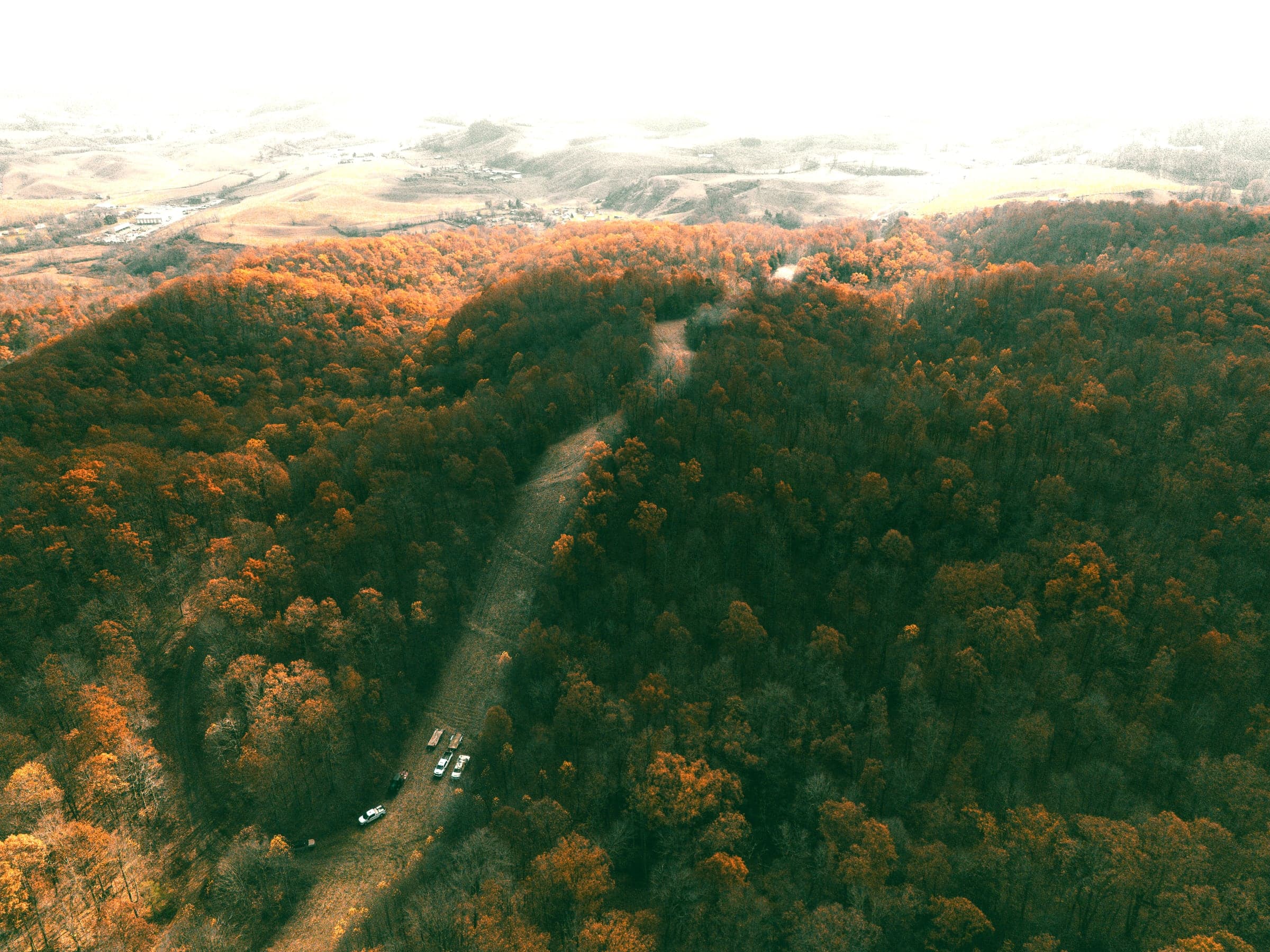
An independent industry body
Raising the standard for ROW vegetation management.
- Industry insight
- Proven practices
- Better ROWs
Our purpose
To better the vegetation management industry.
ROW vegetation management keeps pipelines inspectable, keeps the ground stable and keeps landowners on side. The people who do it know a great deal. Almost none of that knowledge is written down where the rest of the industry can use it.
This started as a conversation at Lanracorp, a vegetation management contractor that has worked ROW across North America since 2007. Lanracorp convened this body and is a founding member. It does not run it, and we say so here rather than bury it.
Convened by Lanracorp. Built with the industry.
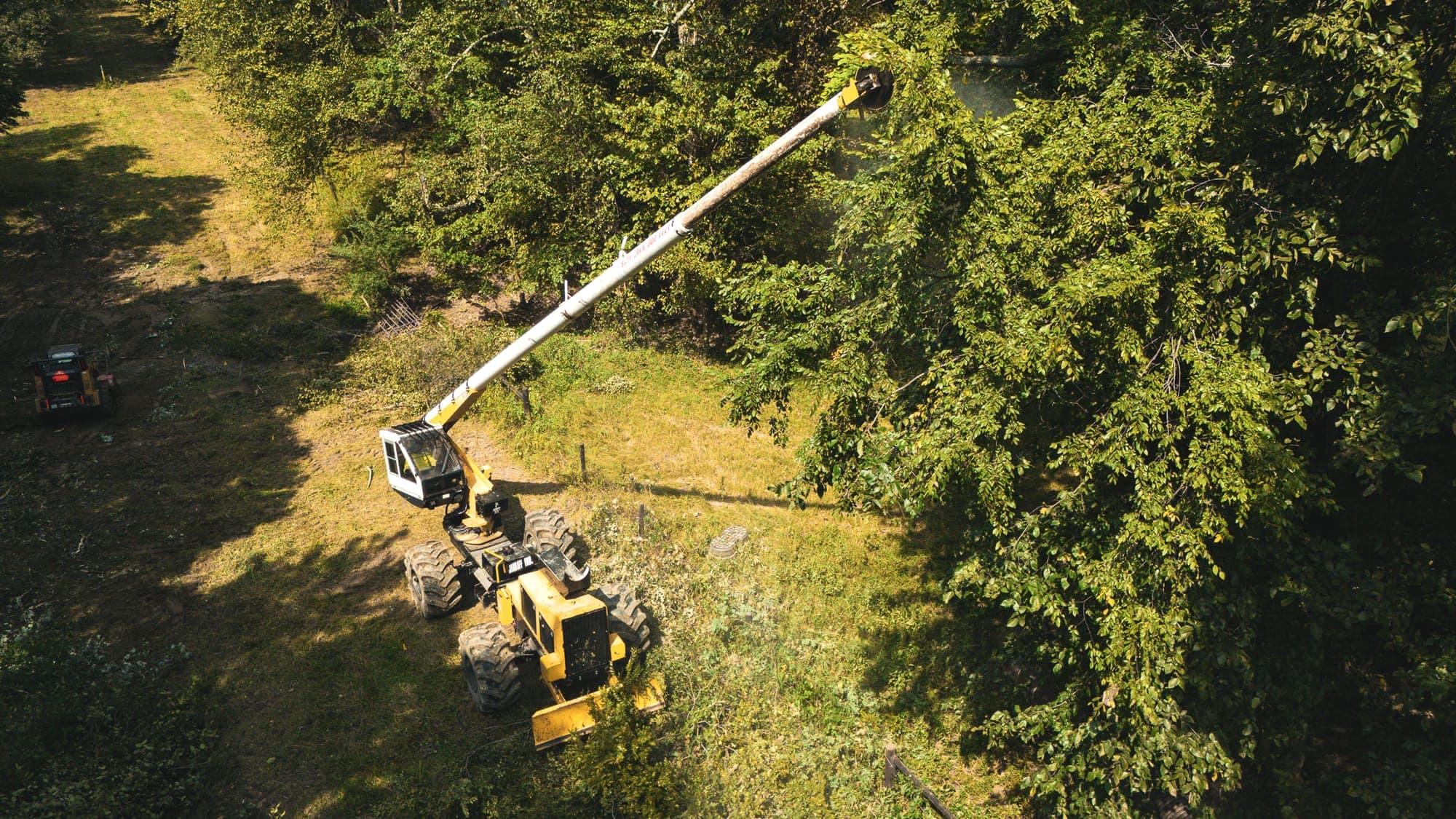
This is what the practice protects.
Pipeline integrity, and the access that inspection and emergency response depend on. Grid reliability. Wildfire risk. The habitat and the landowner relationships either side of the line. All of it is decided by how these acres are managed, season after season, by people whose work almost nobody sees.
What stands in the wayThe struggle
The issues the industry faces
None of these are anyone's fault. They are what happens when a discipline grows up inside individual companies instead of across them.
The knowledge dies where it is earned
A crew in East Texas solves a resprout problem that a program manager in Pennsylvania is about to spend two seasons rediscovering. The lesson never leaves the company that paid for it. Multiply that across every operator and contractor in North America and the industry is paying for the same education thousands of times over.
The work is bought on price, not on outcome
Most bid environments reward the lowest number per acre in a single year. That structure quietly penalizes the programs that reduce total cost across a ten-year cycle — the ones built on assessment, prescription, and monitoring. Until buyers and providers can point to a shared body of evidence, the cheap bid keeps winning arguments it should lose.
No one speaks for the practice itself
When a pipeline safety regulator, a landowner group, or a state commission asks how ROW vegetation should be managed, there is no independent voice to answer. The answers come from vendors with something to sell or from agencies without field experience. The practitioners — the people with the actual evidence — are not in the room.
How we plan to better it
One fix for each problem
None of this needs anyone's permission. It needs people across the industry willing to share what they know, under their own names.
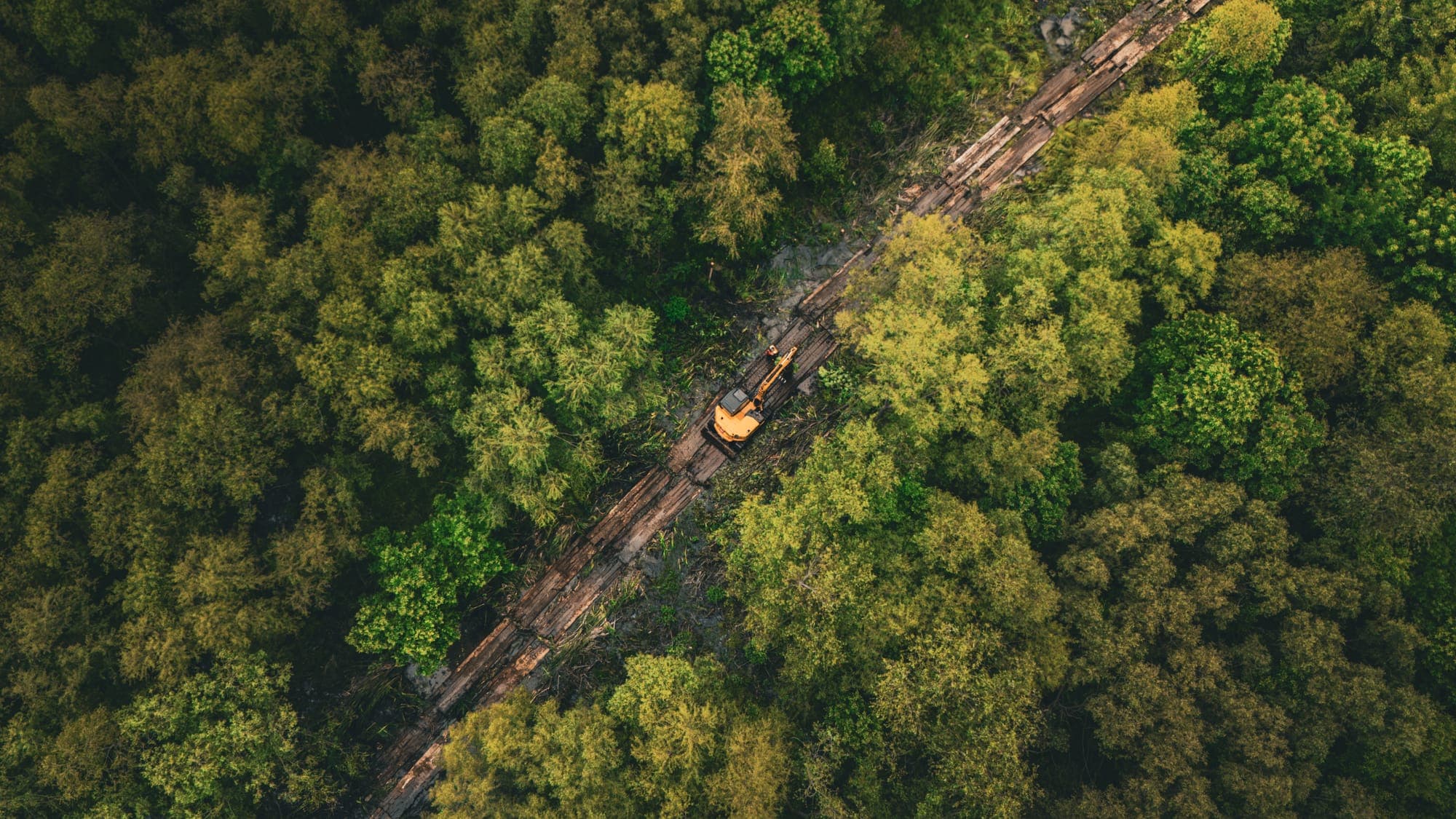
Problem: The knowledge dies where it is earned
We write it down and share it
Best practices and field innovations, published free under the name of the person who did the work. What is working, what is failing, and the reasoning behind both.
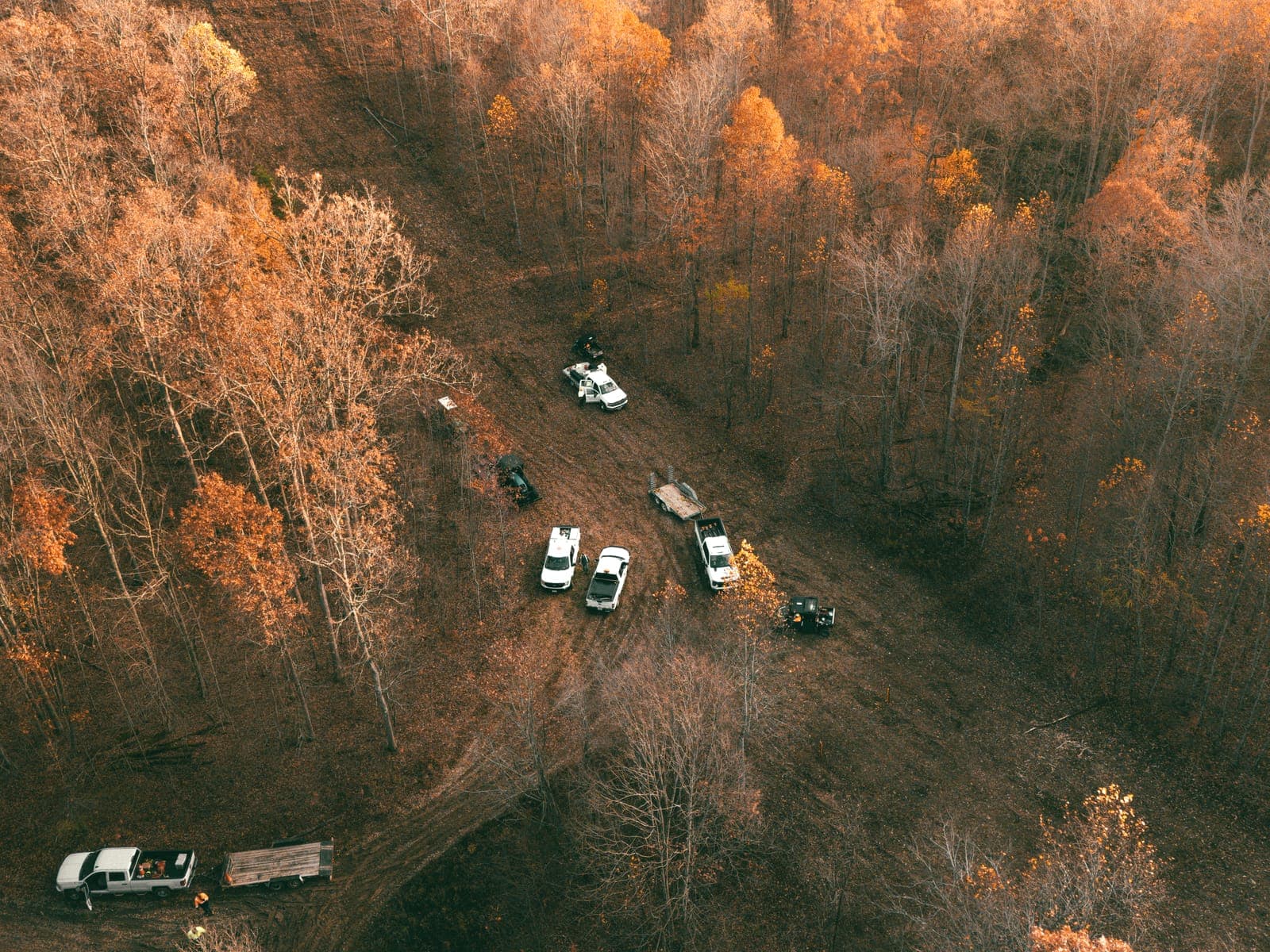
Problem: The work is bought on price
We give buyers the evidence
What a program really costs across the full cycle, not just this year's price per acre. So the cheap bid stops winning arguments it should lose.
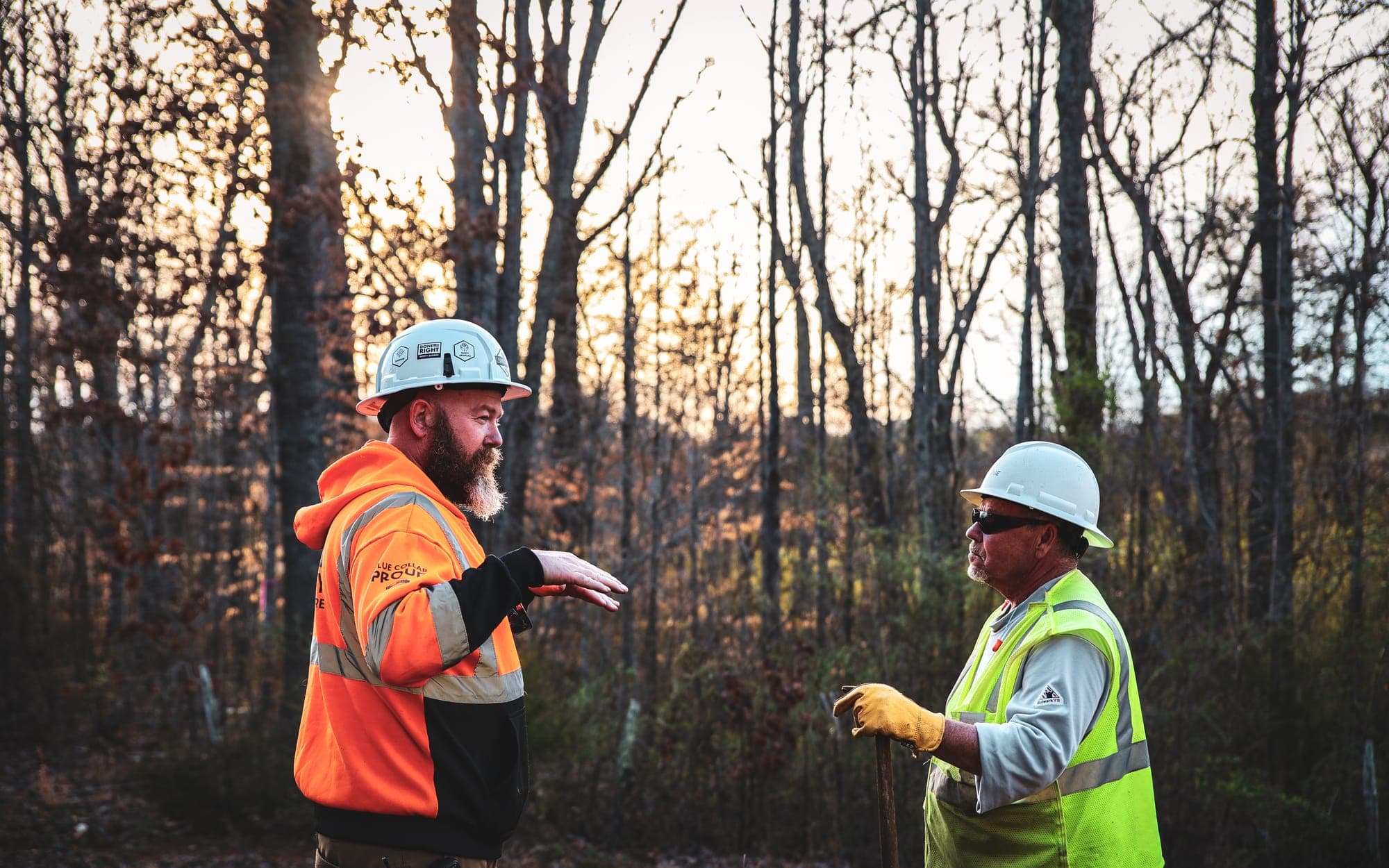
Problem: No one speaks for the practice
We give the industry a voice
A steering committee and round table drawn from every side of the work, carrying recommendations to agencies and the bodies that write the standards.
What we are writing about first
Have field experience worth sharing? Write it up, talk it through on a recorded call, or send us the video you already made.
Get involvedWhat winning looks like
The industry has done this before
Better practice is not a theory. When people across this industry have shared what they know and written it down, the work got safer, cheaper over the cycle and better for the land. A few examples from the public record.
IVM & habitat
ROW habitat, recognized nationally
The nationwide Monarch CCAA, approved by the U.S. Fish & Wildlife Service in 2020, counts pipeline rights of way among eligible lands. As of April 2025, partner commitments cover more than 1.2 million acres.
Source: Rights-of-Way as Habitat Working Group, UICIVM & habitat
Seventy years of evidence on one ROW
Researchers have studied vegetation maintenance on a transmission ROW in Pennsylvania's State Game Lands 33 since 1953, the longest continuous study of its kind. Since 1987, IVM and the wire-border zone method have increased the time between treatment cycles, reducing labor and chemical costs.
Source: Yahner & Hutnik, Arboriculture & Urban Forestry (2004)Safety
A safety system the industry wrote together
API RP 1173 came out of a two-year effort by pipeline operators, state and federal regulators and other stakeholders. Its notable-practices tool passes what works from one operator to the rest.
Source: American Petroleum InstituteSafety
A shared safety standard for brush work
ANSI Z133 sets the safety requirements for tree and brush work, revised by an accredited committee on a five-year cycle. The 2026 edition is free to read in English and Spanish.
Source: International Society of ArboricultureIndustry working together
IVM, written into a national standard
ANSI A300 Part 7 puts integrated vegetation management into a national standard: site evaluation, choosing control methods, initial clearing and the wire zone–border zone concept.
Source: Tree Care Industry AssociationIndustry working together
Competitors at one table
The Rights-of-Way as Habitat Working Group brings partners from multiple industries, pipeline operators among them, together to share knowledge and build shared tools like a pollinator habitat scorecard.
Source: University of Illinois Chicago
The standard for this work is going to be set by somebody. It should be set by the people who do it.
Get involved